The Quiet Math of Compounding: Why 8% May Be the Smartest Number in Your Portfolio
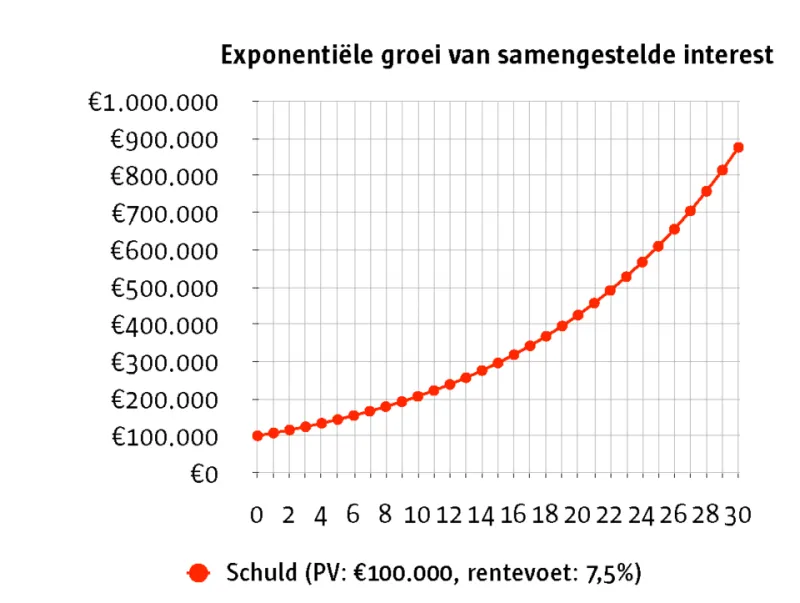
Photo: MartienTheRock, CC BY-SA 3.0, via Wikimedia Commons
Wall Street sells excitement. It packages moonshot trades, viral stock picks, and the promise of doubling your money before the next earnings season. What it rarely sells is patience — and that may be exactly where the opportunity lies for everyday American investors heading into 2025.
At MBI8 Capital, the number 8 is more than branding. It's a thesis: that a realistic, repeatable 8% annual return, compounded without interruption, quietly outperforms most aggressive strategies once the true costs of chasing performance are counted.
What 8% Actually Looks Like Over Time
The S&P 500 has delivered a long-run average annual return of roughly 10% before inflation, though decade-by-decade results swing wildly — from the lost years of the 2000s to the runaway gains of the 2010s. An 8% target sits deliberately below the headline average, acknowledging that most investors don't capture the index return in practice. Behavioral mistakes, timing errors, and taxes shave the edges off.
The compounding math is where the discipline pays off. A $100,000 portfolio growing at 8% becomes about $216,000 in ten years and roughly $466,000 in twenty. That trajectory doesn't require a single heroic trade. It requires avoiding the years where a 30% gain is followed by a 35% drawdown — a sequence that mathematically leaves you flat but emotionally leaves you broke.
The Tax and Fee Drag Nobody Advertises
Chasing outsized returns carries hidden friction. Short-term capital gains are taxed as ordinary income, with federal rates reaching 37% for high earners, while long-term gains top out at 20%. An active trader who nets 15% in a year of frequent turnover may keep less after taxes than a buy-and-hold investor earning 8% in appreciated index positions.
Fees compound the problem. A strategy charging 2% in management and transaction costs must outperform a low-cost alternative by two full percentage points annually just to break even. Over twenty years, that 2% drag consumes nearly a third of the potential final balance. Suddenly, a boring 8% net return looks less like a compromise and more like a victory.
Three Paths to a Realistic 8%
Dividend growth portfolios. Companies that consistently raise payouts — the kind found in dividend aristocrat lists — have historically combined 2–3% yields with price appreciation and dividend growth that together approach high-single-digit total returns. The income stream also smooths the psychological ride during drawdowns.
Fixed-income ladders. With Treasury yields hovering near multi-decade highs, laddering bonds and CDs across maturities can lock in 4–5% with near-zero risk, blending with an equity allocation to produce a blended portfolio return in the 7–9% range. The ladder structure also provides liquidity at predictable intervals.
Low-cost index core. A simple 60/40 or 70/30 mix of broad equity index funds and investment-grade bonds, rebalanced annually, has historically landed in the same neighborhood — without requiring the investor to predict anything.
Redefining 'Enough'
The cultural pressure in American investing is to beat the market, but the data suggests most people who try fail at it. SPIVA research has repeatedly shown that the majority of active funds underperform their benchmarks over fifteen-year horizons. If the professionals struggle, the retail trader chasing 30% annual returns on a fintech app should pause.
'Enough' is not a limit. It's a strategy. A consistent 8%, left alone to compound inside a tax-advantaged 401(k) or Roth IRA, turns median income into genuine wealth over a working lifetime. The investor who understands this stops gambling and starts engineering.
The Bottom Line
2025's market will hand out plenty of volatility, and volatility is where aggressive strategies bleed. The disciplined alternative — target a realistic rate, minimize taxes and fees, and let time do the heavy lifting — isn't flashy. But in the decoding of markets, the numbers don't lie: steady beats spectacular, almost every time it's actually measured.